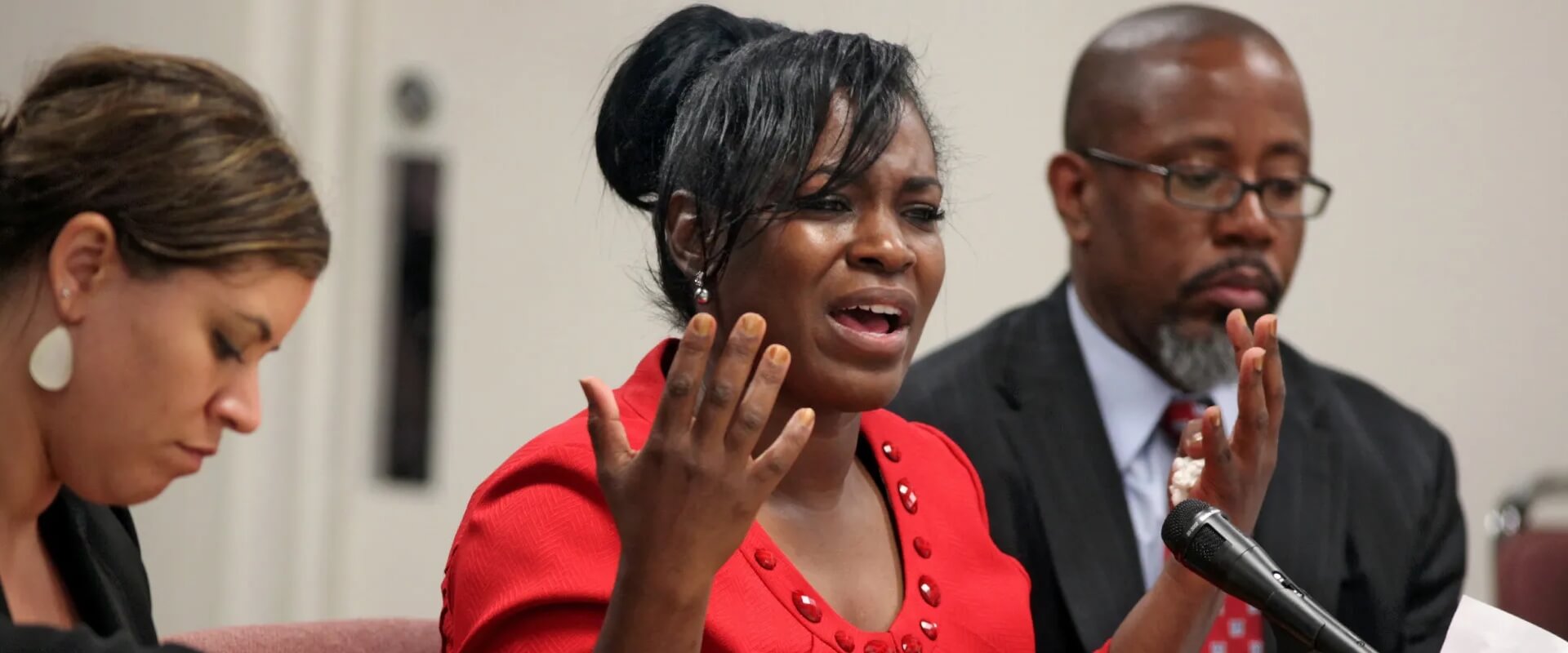
Crazy case in Ohio, where a 40-year-old single mother lied about the residency of her children in order to get the kids into a better public school. Kelley Williams-Bolar claimed her kids lived with their grandfather rather than with her in Akron. Instead of merely transferring the kids back to the bad school, local officials instead decided to charge Williams-Bolar with two felonies, claiming that by enrolling her kids in the better school, she defrauded taxpayers of more than $30,000.
children-of-prisoners family motherhood youth

On March 23, Washington governor Chris Gregoire signed a law to prevent the shackling of pregnant women during labor and childbirth, after a successful campaign that included testimony by women who spoke out about what happened to them when they were imprisoned.
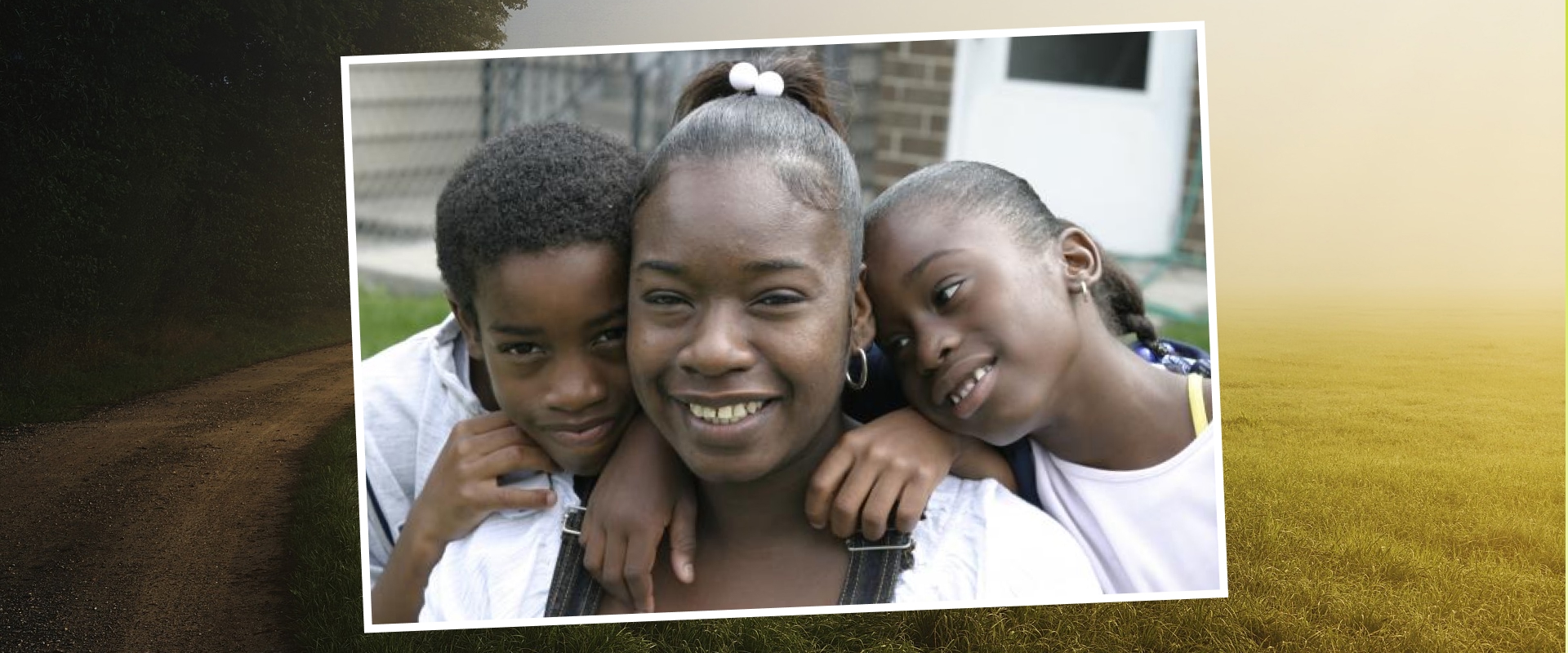
In this poem, Thompson discusses her feelings about her mother’s incarceration.
children-of-prisoners personal-narrative poetry
The Adoption and Safe Families Act of 1997: Its Impact on Prisoner Mothers and their Children
by Gail T. Smith
Gail Smith outlines the reasons the ASFA of 1997 is harmful and detrimental to imprisoned women and their children. With most children of prisoners being in ‘temporary’ foster care, the ASFA actually makes these children legal orphans and breaks any ties that imprisoned mothers and their children once had.
children-of-prisoners court-advocacy motherhood public-policy
"But what happens to pregnant women in prison before they wind up in chains at a hospital?" asks Rachel Roth. Roth tells three chilling stories of medical neglect and lack of compassion for women awaiting childbirth behind the prison walls.
children-of-prisoners health mental-health motherhood state-violence

A series of letters, poems, and notes written by the children of prisoners. Most are directed to their parents.
children-of-prisoners personal-narrative poetry

Sara Olson tells the story of the Annual “Get On The Bus” event, uniting women prisoners with our children and loved ones.
children-of-prisoners motherhood personal-narrative

Life Without is a documentary film, profiling the experiences of eight children who have a parent in prison. In this informative film, the youth were not only the subjects, but they were the producers as well. The product of their work is a collection of powerful stories that provide a glimpse into what life is like for the millions of children in the United States who have an incarcerated parent. The youth in Life Without share their experiences, feelings, and methods for coping with the challenge of living without one or both of their parents.
Rev. Melissa Mummert is the lead producer and driving force behind the film. She has been and continues to be a strong advocate for people who are incarcerated and their families. Melissa is known for her first award winning film Perversion of Justice, in which she told the story of Hamedah Hasan, a woman who received two life sentences for her first non-violent drug offense.
Life Without can be purchased for individual or educational use at www.LifeWithoutMovie.com

This letter of reconciliation expresses the complex experience of having an incarcerated mother. Belcher describes both the anger of growing up with her mother in prison and the love that transcends that anger.
children-of-prisoners personal-narrative

In this first person narrative, Chesa Boudin writes about the fate of children with incarcerated parents and also reflects on the experiences he and a close friend shared growing up with incarcerated parents. While talking about the real life effects of incarceration on family life, Boudin looks at the different paths that he and his childhood friend took in response to their situation.
children-of-prisoners personal-narrative

Kimberly Burke, a mother in prison tells a story of an interaction while her 7-year old son is visiting What convinces him to not want to come back. She uses her experience to talk about the large numbers of prisoners that never get a visitor. The enemy lines between prisoners and guards create a kind of hostile environment in which no one wants to be apart of.
children-of-prisoners guard-prisoner-relations personal-narrative prison-life

In this article, Alexandra Cox discusses the use of images of "crack mothers" and “crack babies” to reinforce sexism and racism.
media reproductive-rights substance-abuse
Children on the Outside: Voicing the Pain and Human Costs of Parental Incarceration
by Judith Greene & Patricia Allard

On March 23, Washington governor Chris Gregoire signed a law to prevent the shackling of pregnant women during labor and childbirth, after a successful campaign that included testimony by women who spoke out about what happened to them when they were imprisoned.
Kim Mikesell tells the price that children pay when parents are incarcerated.
children-of-prisoners motherhood personal-narrative substance-abuse
Giving Birth in Chains - The Shackling of Incarcerated Women During Labor and Delivery
by Anna Clark
As birthing choices are increasingly prominent in the public conversation, pregnant women are more and more empowered to decide what sort of care is right for their bodies and their child.Not so for pregnant women who are incarcerated. Not only are their decisions about care restricted, but many incarcerated pregnant women are physically restricted while giving birth: during labor and delivery, they are shackled.
activism children-of-prisoners family health mental-health motherhood prison-life reproductive-rights

In this poignant personal narrative, Kebby Warner shares her experience of pregnancy and childbirth while serving time. Following her story are several documents she wrote to publicize the organization The People Against Court Kidnapping (P.A.C.K.), which she created after her parental rights were terminated and her daughter was put up for adoption.
motherhood personal-narrative

California Proposition 21, known also as Prop 21, was a proposition proposed and passed in 2000 that increased a variety of criminal penalties for crimes committed by youth and incorporated many youth offenders into the adult criminal justice system.